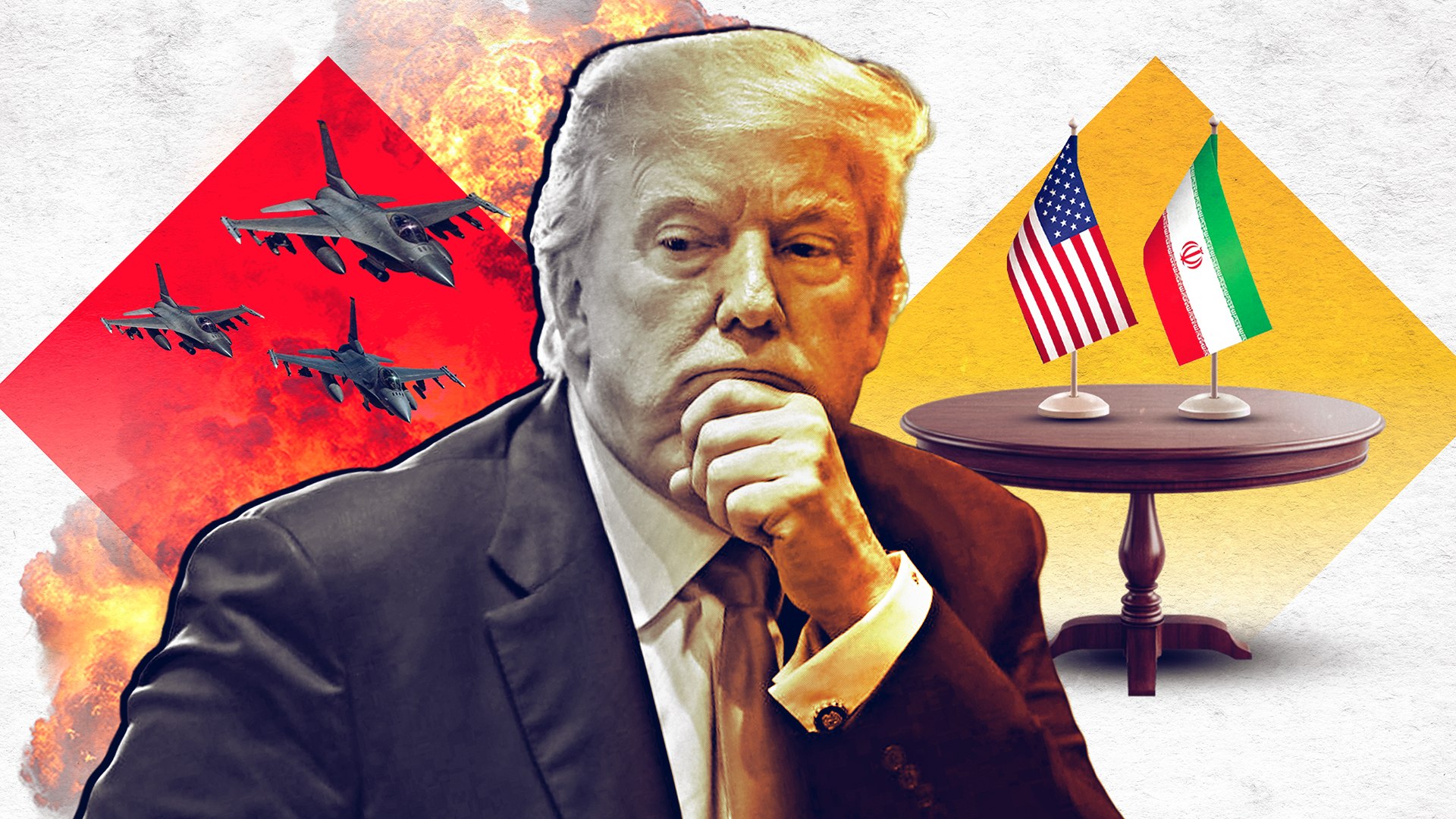
The United States and Iran have resumed heavy military attacks on each other on Tuesday, dismantling a ceasefire agreement signed just weeks earlier, as President Trump abandons plans to charge ships a toll for passing through the strategic Strait of Hormuz.
The June 17 memorandum of understanding, which had ended fighting and reopened the Strait of Hormuz, has apparently collapsed. The US military struck Iranian targets in the southwestern Khuzestan province, including the city of Abadan—home to the Middle East's oldest oil refinery—and the port city of Mahshahr. Strikes also hit Qeshm Island, according to local officials. An unnamed US official told Reuters the aim was to eliminate "emerging threats" to commercial shipping.
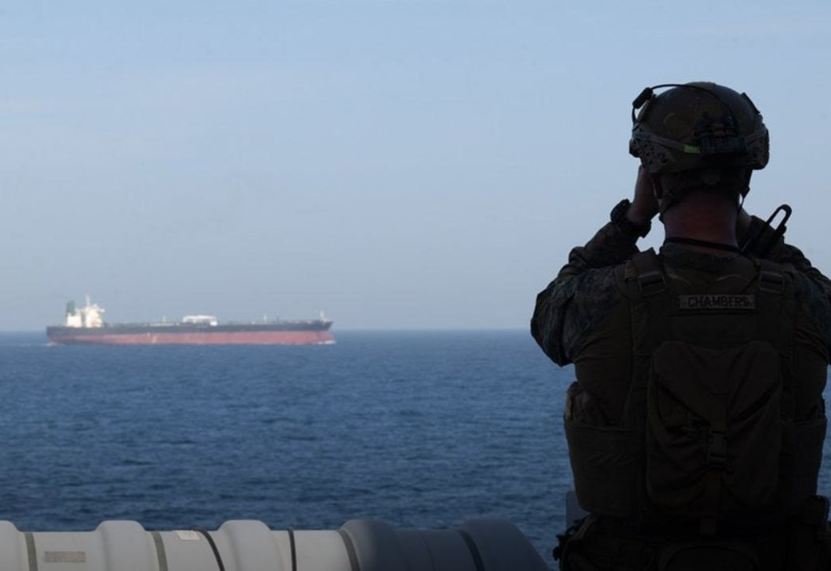
Iran responded by attacking two supertankers in the Strait of Hormuz off Oman, killing at least one crew member, according to the United Arab Emirates. Iran's Islamic Revolutionary Guard Corps also carried out retaliatory attacks on Kuwait, Bahrain and Jordan on Tuesday. The International Maritime Agency reported that the latest attacks in the strait have claimed the lives of two seafarers.
On Tuesday, Trump reversed his announcement from a day earlier that the US would levy a 20 percent fee on vessels transiting the Strait of Hormuz. Trump said he would replace the fee with "Trade and Investment Deals that the various Gulf States will be making with the United States," claiming the investments would be "massive" but providing no further details. The Trump administration had previously rejected the notion of Iran charging any fees for transiting ships, with US Secretary of State Marco Rubio saying such charges would undermine international law.
The US military said it is restarting a naval blockade of Iranian ports and coastal areas as of 4 p.m. Eastern Time on Tuesday. The blockade had been lifted as part of the June ceasefire deal.
In Layman's Terms
Here's what's happening: The US and Iran had agreed in mid-June to stop fighting each other. That deal also reopened the Strait of Hormuz—a narrow waterway between Iran and Oman through which roughly one-third of the world's traded oil passes by ship. Reopening it was important because when the strait is closed or unsafe, global oil prices spike and shipping becomes dangerous.
But that peace deal has now fallen apart. Both sides are attacking each other again. The US is bombing Iranian military targets and ports. Iran is hitting ships in the strait and attacking US allies in the region like Kuwait and Bahrain.
Trump had also proposed charging every ship that passes through the strait a 20 percent fee—essentially a toll—claiming it would pay for US military protection of the waterway. But on Tuesday he dropped that idea. Instead, he said Gulf countries would invest money in the US economy rather than pay a shipping fee. It's unclear what those investment deals would look like or how much money is involved.
Why This Matters
The collapse of the ceasefire threatens global energy security. The Strait of Hormuz is one of the world's most critical shipping lanes. When fighting breaks out there, oil prices rise sharply and companies become reluctant to send tankers through. Crude oil prices have already hit their highest levels in four weeks, according to reports.
For people in the Middle East, the escalation means more military strikes, more danger to civilian infrastructure, and the risk of a return to full-scale war. The UN human rights chief has called the return to hostilities "a huge setback for civilians."
Trump's reversal on the strait toll suggests the administration is backing away from unilateral economic pressure on shipping in favour of military and diplomatic approaches—though the immediate result is more violence, not less.
What We Still Don't Know
It remains unclear what triggered the collapse of the ceasefire or which side broke it first. Neither the US nor Iran has provided a detailed account of the sequence of events leading to Tuesday's attacks.
The nature and scale of the investment deals Trump mentioned are unknown. No details have been released about which Gulf countries are involved, how much money is at stake, or what the US is offering in return.
Military and defence analyst Alex Alfirraz Scheers has warned that the US risks falling into an "escalation trap" if it launches a ground assault in Iran, because Tehran still retains a large number of ballistic missiles. It is unclear whether the US is considering ground operations or plans to rely solely on air strikes.
There is also no clear indication of when or whether either side intends to return to negotiations.
Sources: Al Jazeera, Al Jazeera, Al Jazeera, The Guardian World



Comments
No account needed — just choose a display name. Comments are moderated; if one is removed, the reason is shown.
No comments yet — be the first to share your thoughts.