
Zelenskyy announced the move Friday in a statement posted to X, saying the new command would focus all available resources on reducing Russia’s ability to continue its invasion of Ukraine.
“This command must concentrate 100 per cent of the available resources on degrading Russia’s warfighting potential even more,” he said.
Zelenskyy described the unit as a command for long-range and “effectively global” operations against Russia. He said it would be led by an experienced commander, but did not identify the person or provide details about the command’s structure.
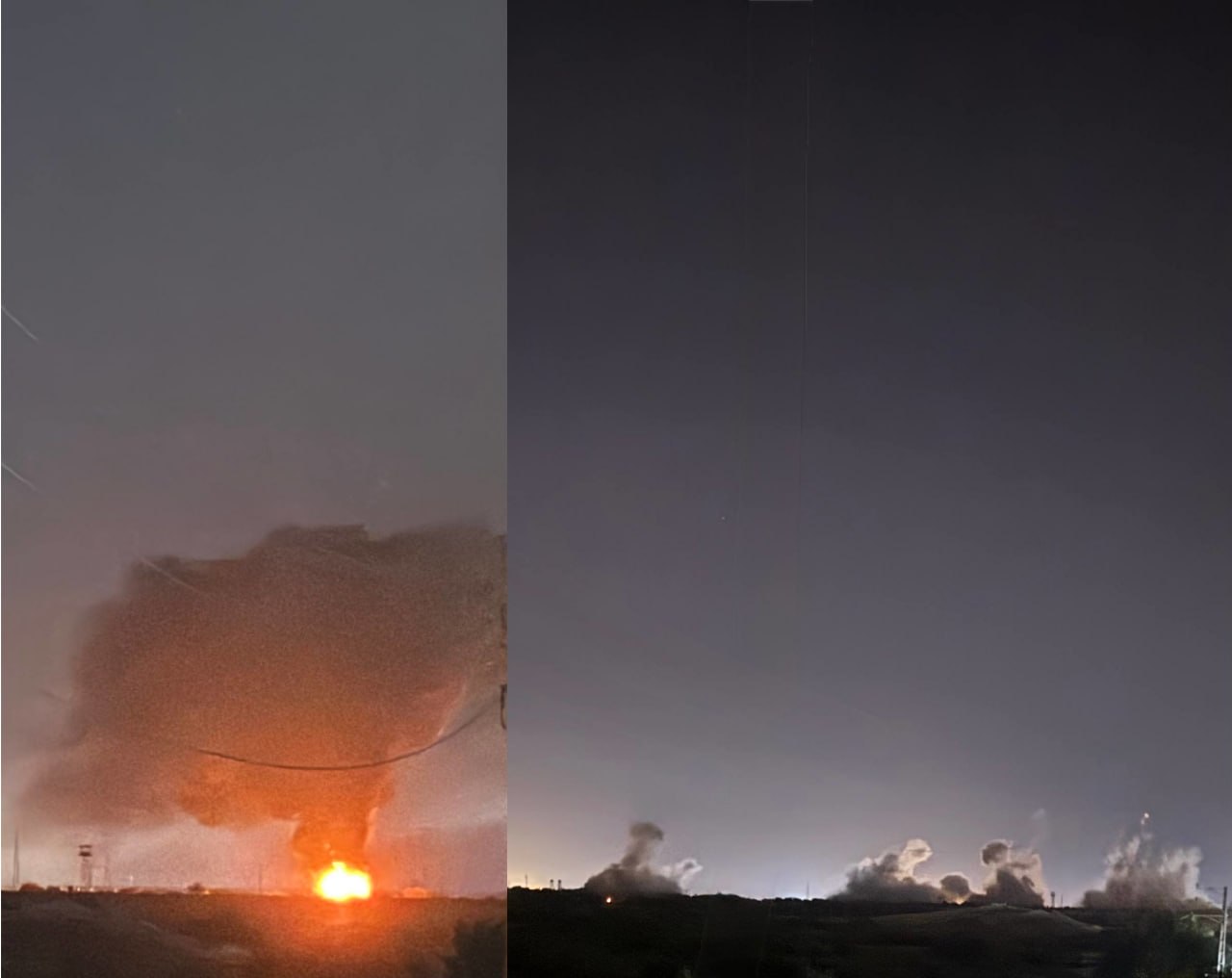
The announcement comes as Ukraine continues to target Russian oil refineries, fuel storage facilities and transportation networks with long-range drones and other weapons.
Ukraine says those facilities support Russian military operations and provide revenue used to finance the war.
Zelenskyy said Russia’s gasoline shortages were worsening because Russian President Vladimir Putin had refused to end the conflict.
“Russia’s gasoline crisis is deepening — quite justly — in response to Putin’s reluctance to end this war,” he said.
Ukrainian attacks have forced Russia to devote more air-defence systems and other resources to protecting industrial sites far from the front.
The strikes are intended to disrupt fuel production, military logistics and export revenues while bringing some of the economic effects of the war deeper into Russia.
Russia has accused Ukraine of attacking civilian infrastructure and attempting to destabilize the country. Ukraine maintains that energy facilities linked to the Russian military are legitimate targets.
The creation of a centralized command could allow Ukraine to better co-ordinate operations currently conducted by several branches of the military and intelligence services.
It may also indicate that long-range strikes are becoming a more formal part of Ukraine’s broader military strategy rather than a series of separate operations against individual targets.
Zelenskyy also said Ukraine had presented proposals aimed at ending the war and claimed they had attracted support from international partners and people within Putin’s circle.
“They understand what is happening and that peace has no alternative,” he said. “This sentiment in Russia will continue to grow.”
Zelenskyy did not provide evidence for the claim, and it could not be independently verified.
Russia has shown no public indication that it is prepared to abandon its main demands in negotiations. Putin has continued to insist that any settlement must recognize Russian control over occupied Ukrainian territory and address what Moscow describes as the causes of the conflict.
Ukraine has rejected those conditions, saying they would reward Russian aggression and leave the country vulnerable to another invasion.
Zelenskyy’s announcement suggests Ukraine intends to continue increasing pressure on Russia even as diplomatic efforts continue.
The effectiveness of the new command will depend on Ukraine’s ability to produce long-range weapons, identify targets and penetrate Russian air defences.
It will also depend on whether strikes against Russia’s energy system can impose enough economic and military pressure to influence decision-making in Moscow.
For now, the announcement signals that Kyiv sees long-range attacks not only as a way to damage Russian military capacity, but also as a tool for shaping the political and economic conditions surrounding any future peace talks.


Comments
No account needed — just choose a display name. Comments are moderated; if one is removed, the reason is shown.
No comments yet — be the first to share your thoughts.